
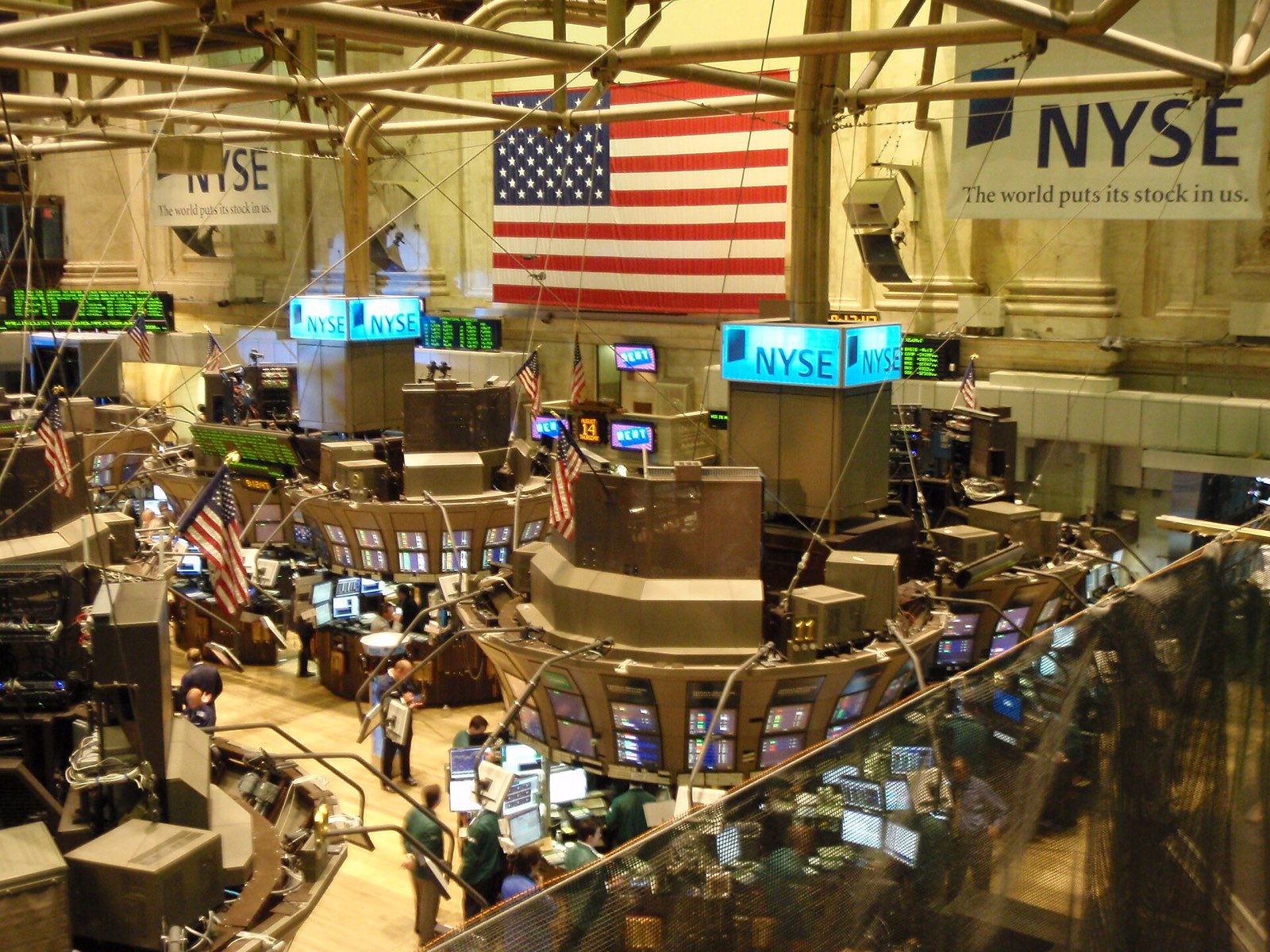
The US stock market is rewriting history once again. In early October 2026, the broad market index S&P 500 closed a trading session above the 7,800 mark for the first time, setting new intraday all-time highs along the way. The tech-heavy Nasdaq Composite also recorded a record close. The market is rising on a broad front, masterfully ignoring recent fears about geopolitics and economic slowdown.
The AI Rally and Earnings Season Expectations
So, what is the reason for such optimism? It's simple: investors entered the third-quarter corporate earnings season with a distinctly bullish mood, and the AI boom remains the main fuel for growth. Wall Street sees that the massive capital expenditures by corporations on AI infrastructure are not going to waste—they are translating into real revenue for chip and equipment manufacturers.
At the same time, the macroeconomic backdrop gave stocks the "green light": US Treasury yields retreated from recent peaks, and oil prices stabilized, reducing inflationary pressures. As a result, analysts (including Goldman Sachs strategists, who maintained a target of 8,000 points by year-end) are full of hope.
Risk Factor: Excessive Market Concentration
However, it is important to understand: the market is currently abnormally dependent on a narrow circle of leaders. According to current estimates, a few IT giants alone could account for more than a third of the S&P 500's total profit growth this quarter. Investors are waiting for the effect of neural network implementation to start "spilling over" beyond the tech sector. Any hiccup in Big Tech's reports could lead to a sharp "AI sobering." Ahead are the reports from the "Magnificent Seven" and the next Fed meeting, so it's too early to relax.
Reminder: This material is for informational purposes only and does not constitute investment advice.
Sources: Goldman Sachs equity research, S&P Dow Jones Indices, and U.S. Federal Reserve macroeconomic data.