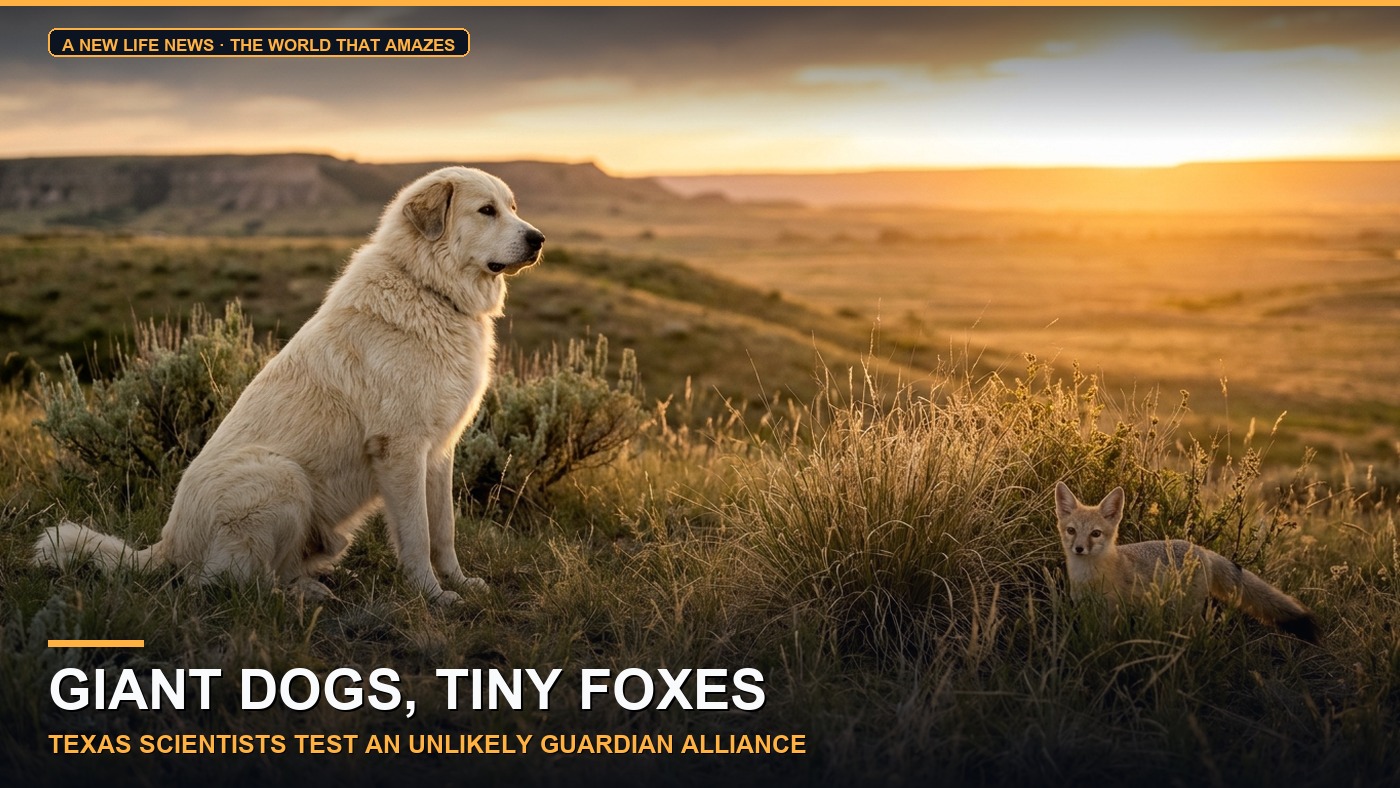
In folklore, dogs and foxes are sworn adversaries. Out on the windswept shortgrass prairies of the Texas Panhandle, however, wildlife biologists are investigating whether that ancient rivalry might give way to one of the most surprising alliances in modern conservation science.
In a field study highlighted via Phys.org, researchers with Texas A&M AgriLife are tracking two livestock guardian dogs patrolling a herd of cattle on the Rita Blanca National Grasslands. While the dogs’ sole job is protecting calves from predators, scientists want to find out whether their presence creates a life-saving refuge for the endangered swift fox (Vulpes velox).
A Cat-Sized Prairie Sprinter on the Edge
Weighing just four to seven pounds (1.8 to 3 kg), a full-grown swift fox is roughly the size of a domestic house cat—yet it can sprint across open grassland at over 35 mph (60 km/h). Once abundant across the Great Plains, the species has vanished from most of its historical range. In Texas today, fewer than 250 swift foxes are believed to survive, restricted to just two counties in the northernmost Panhandle.
Surprisingly, the biggest obstacle to the swift fox’s survival isn’t habitat loss alone—it’s coyotes. Much larger and fiercely territorial, coyotes routinely kill swift foxes to eliminate competition, making coyote predation the leading cause of death for the diminutive species.

Testing the 'Protective Umbrella'—Why Science Comes Before Certainty
Crucially, the Texas A&M AgriLife team emphasizes that they are investigating the effectiveness of guardian dogs—not declaring the outcome already proven. Science requires hard field data to see how predators and prey actually behave around working dogs.
Here is the hypothesis under evaluation:
- Deterring the Bully: Livestock guardian dogs actively keep coyotes away from grazing cattle herds through scent marking, barking, and patrolling.
- Harmless Neighbors: Because tiny swift foxes eat insects, rodents, and grasshoppers—posing zero threat to cattle—guardian dogs have no reason to chase them.
- The Safe-Zone Effect: By pushing coyotes out of the pasture, the dogs may inadvertently create a low-predation pocket where swift foxes can raise kits in relative safety.
When Working Dogs Become Conservation Pioneers
The Texas experiment arrives during a banner week for conservation dogs worldwide: in London, the International Fund for Animal Welfare (IFAW) honored a six-year-old Scottish Labrador named Sgiath with its Animal of the Year Award for becoming the world’s first dog trained to sniff out invasive carpet sea squirt colonies along coastal piers.
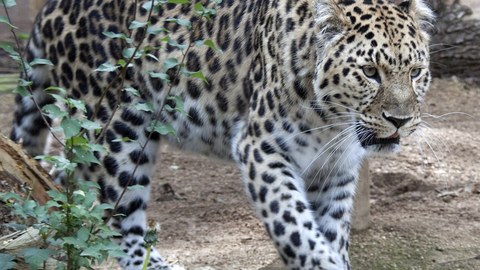
As we saw in our recent deep dive into the Amur leopard population in 2026, saving any species that numbers in the low hundreds requires understanding predator dynamics on the ground. If the Texas Panhandle study confirms the guardian-dog hypothesis, working cattle ranches could become some of the best friends North America’s smallest fox ever had.